Picking the right fishing hooks can feel a bit overwhelming, especially for beginners. But don’t worry, it's simpler than you might think! The type of fish you’re trying to catch plays a big role in your hook selection. Different species prefer different baits and styles. For instance, if you’re going after trout, smaller hooks work best, typically in the size range of 8 to 14. If you're after bass, you might want something a bit bigger, like sizes 1 to 4.
Another thing to consider is the material. Most hooks are made from stainless steel or carbon steel. Stainless steel hooks are resistant to rust, making them great for saltwater fishing. On the other hand, carbon steel hooks are often stronger and better suited for freshwater environments. If you plan to switch between both, look for hooks that can handle both types of water without deteriorating.
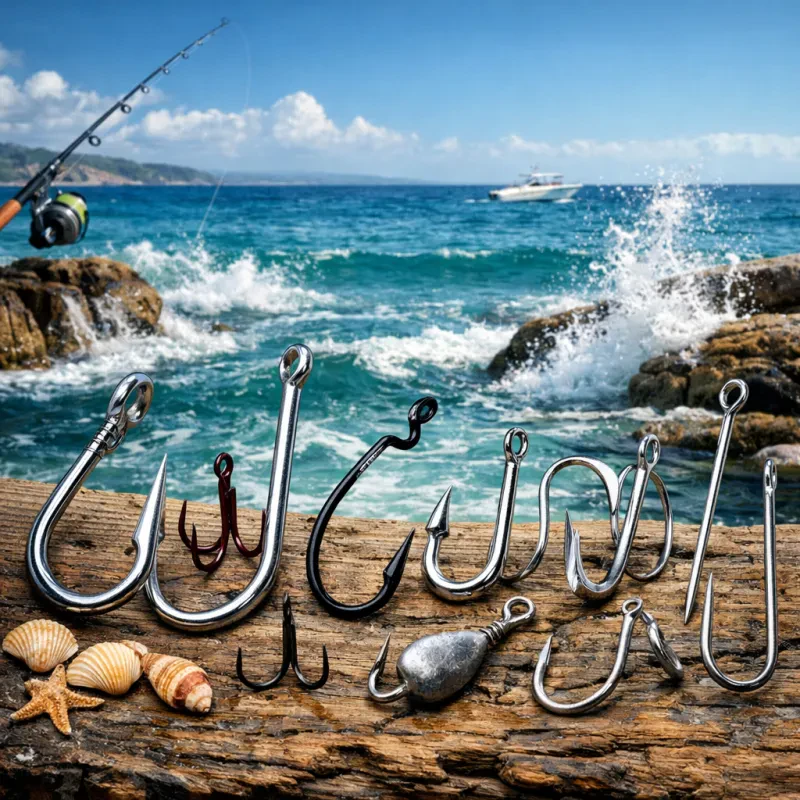
Don’t forget about the shape of the hook! There are several types like J-hooks, circle hooks, and treble hooks. J-hooks are versatile and work well with many baits. Circle hooks are great for catch-and-release fishing, as they’re designed to catch fish in the corner of the mouth. Treble hooks, with their three sharp points, are perfect for lures that require a strong hold.
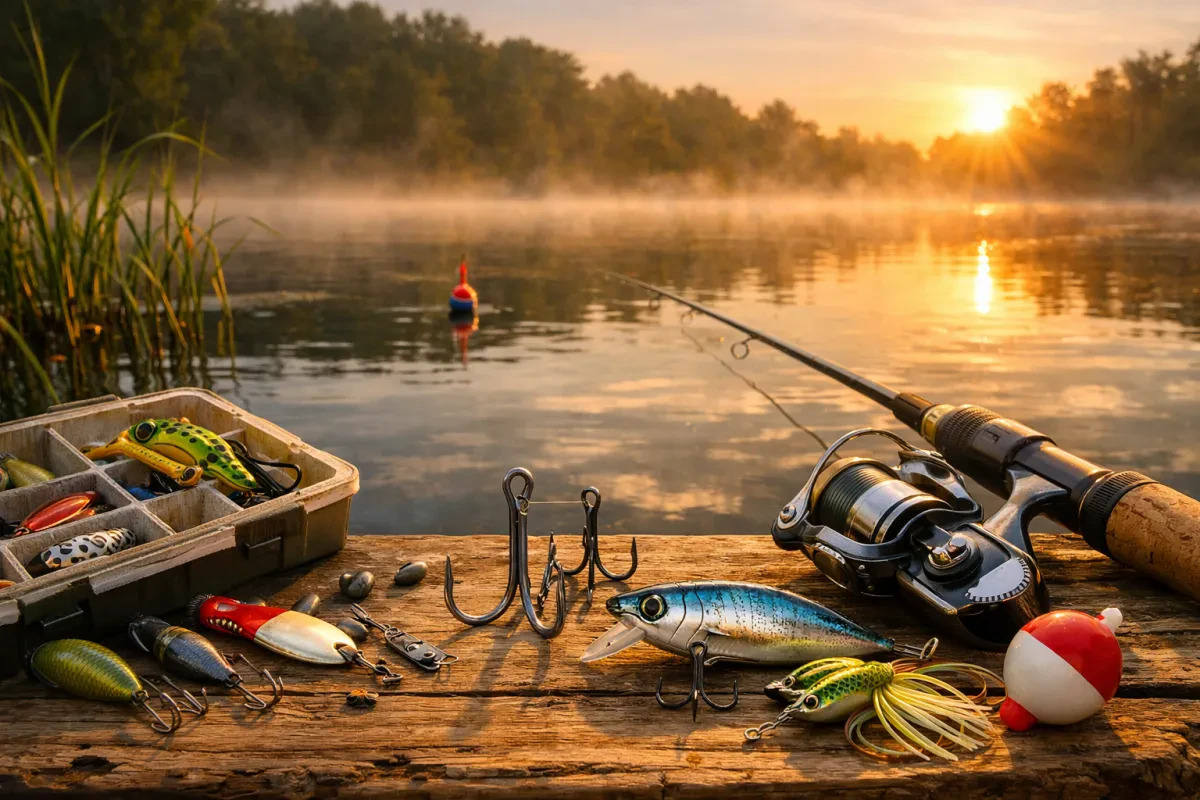
Finally, check your tackle box for a variety of hooks, and don’t be shy about experimenting. Fishing Hooks And Lures For Beginners need to work hand-in-hand for a successful outing. With the right hooks on hand, you’ll feel more prepared and confident to reel in that big catch. Happy fishing!
Essential Types of Lures You Need
When you're diving into fishing hooks and lures for beginners, it’s key to know the essentials. Having the right lures can make or break your fishing trip. Let’s break down some must-have types that’ll level up your game.
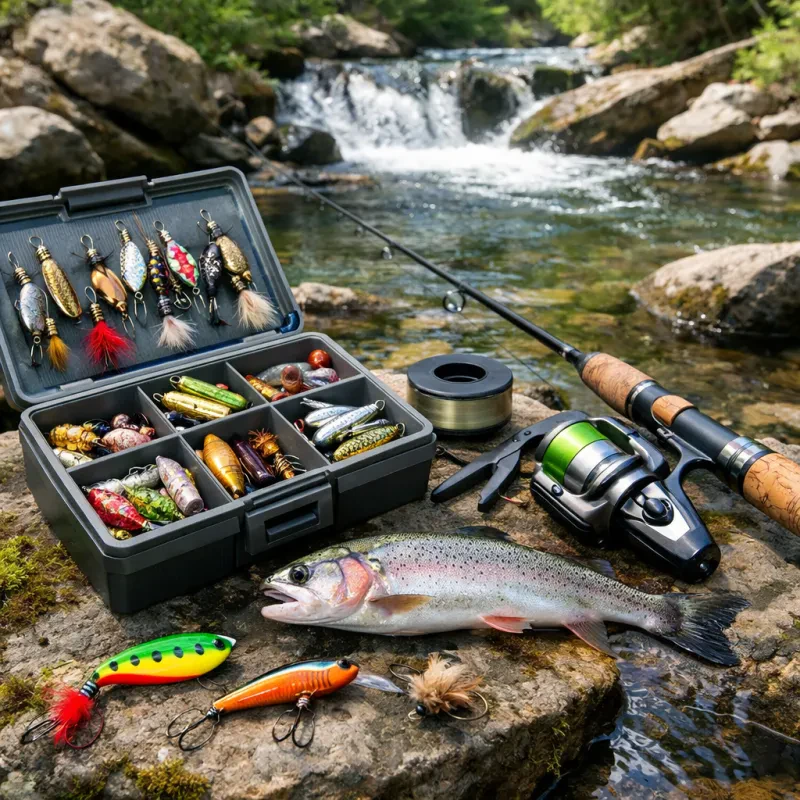
1. Spinnerbaits: These are a favorite among many anglers. They have a spinning blade that catches the light and mimics injured prey. Toss one into the water, and the action is hard to resist for hungry fish. They work great in various water conditions, making them super versatile.
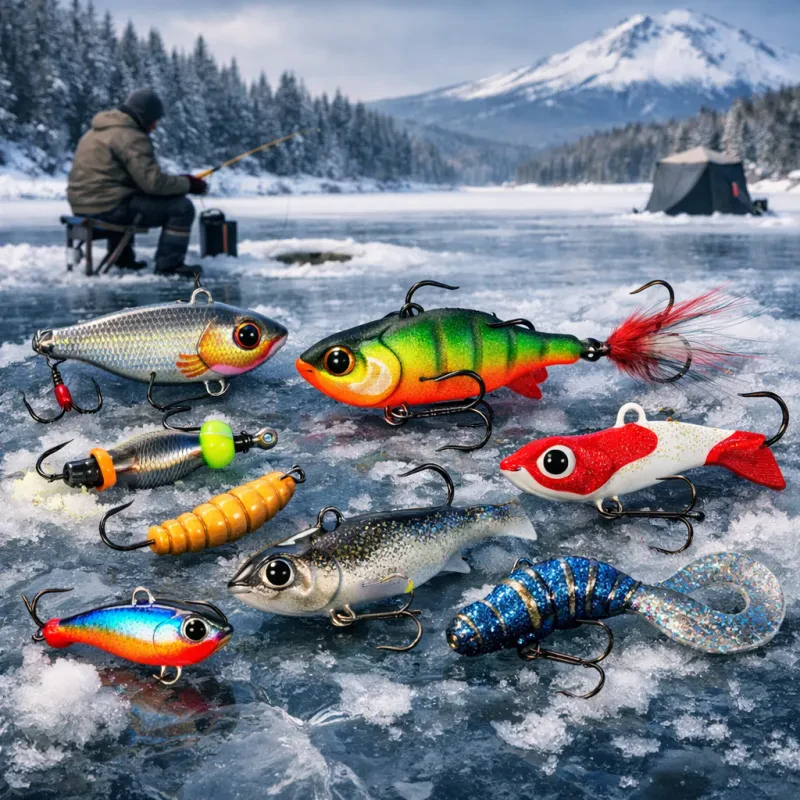
2. Crankbaits: If you want something that mimics the movement of real fish, crankbaits are your go-to. They dive underwater and can be retrieved at different speeds. This allows you to target fish at various depths. Plus, they come in all sorts of colors and sizes, so you can match them to the local catch.
3. Soft Plastics: These lures come in many shapes, like worms or crawfish, and feel realistic. They can be rigged in different ways to imitate various prey. Whether you’re fishing in freshwater or saltwater, soft plastics are a solid choice. Just make sure to experiment with colors and sizes; sometimes, the fish prefer something specific.
These essentials will set you up nicely for fishing hooks and lures for beginners. Knowing which lures to use can enhance your experience and help you catch more fish. With a little practice and these trusty lures by your side, you’ll be reeling them in before you know it!
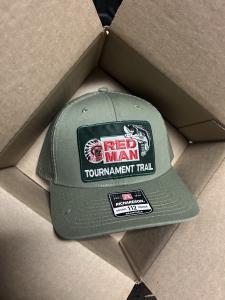
Redman Tobacco Bass Fishing Olive Trucker Hat
Stay comfortable and stylish on your next fishing adventure with this sleek trucker hat
Product information
$27.00
Product Review Score
4.92 out of 5 stars
86 reviewsProduct links
How to Use Hooks and Lures
Getting started with fishing hooks and lures can be super fun and rewarding. If you’re just diving into the world of fishing hooks and lures for beginners, you’ll want to keep a few basics in mind. First off, pairing your hook with the right lure is key. Lures can mimic bait, whether it's a small fish or a worm, and they can help you attract a fish’s attention. Choose one based on what’s popular in the waters you’re fishing; do a little research or just ask a local angler!
When you're ready to use your hooks and lures, start by tying your hook onto the fishing line. Make sure to use a strong knot, like a Palomar or improved clinch knot, so it holds well. After that, choose a lure that fits the type of fish you’re trying to catch. If you're fishing for bass, try a soft plastic worm or crankbait! For trout, spinners and spoons work great. Fishing hooks and lures for beginners should focus on simple options that give you a good chance of success.
Once your setup is ready, find a spot where fish like to hang out—near rocks, logs, or grass pockets. Cast your line out and let your lure sink for a few seconds before retrieving it. Vary your speed and motion to see what works best. Sometimes a slow, steady retrieve brings in hits, while other days a quick jerk or pause does the trick. Pay attention to how the fish react; they practically tell you what they want!
Finally, don’t forget to check your setup regularly. Make sure your line isn’t frayed and that your hooks are sharp. A dull hook is a surefire way to miss a catch. If you're using live bait instead of lures, just remember to keep it lively and fresh for the best results. With these tips for fishing hooks and lures for beginners, you're well on your way to having a successful day out on the water!
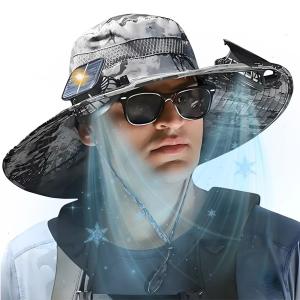
Solar-Powered Cooling Hat for Fishing and Camping
Stay cool and protected on your outdoor adventures with this innovative solar-powered hat
Product information
$26.99
Product Review Score
4.73 out of 5 stars
215 reviewsProduct links
Tips for Beginner Fishing Success
Getting started with fishing can be a blast, especially when you know the right tips for success. When it comes to Fishing Hooks And Lures For Beginners, keeping it simple and straightforward is key. Start by choosing the right hook size for the fish you're targeting. Smaller hooks work well for panfish, while larger hooks are better suited for bigger species like bass.
Next up, lures. Experiment with different types to see what works best in your area. Spinnerbaits are great for beginners because they're easy to use and attract a variety of fish. If you're going for something more natural, try soft plastic baits. They mimic the real thing and often lead to great catches.
Don’t forget about the importance of location! Research local spots like lakes or rivers where fish are known to bite. Early mornings and late afternoons usually see the most action, so plan your trips accordingly. A little patience goes a long way; sometimes you just need to wait for the right moment.
Finally, be ready to learn. Fishing is a skill that takes time to develop. Keep track of what hooks and lures work for you, and don't hesitate to ask other anglers for tips. Joining a community can really boost your confidence as you dive into the world of fishing. With these tips in mind, you’ll be on your way to enjoying the thrill of fishing hooks and lures for beginners in no time!
Picking the right fishing hooks can feel a bit overwhelming, especially for beginners. But don’t worry, it's simpler than you might think! The type of fish you’re trying to catch plays a big role in your hook selection. Different species prefer different baits and styles. For instance, if you’re going after trout, smaller hooks work best, typically in the size range of 8 to 14. If you're after bass, you might want something a bit bigger, like sizes 1 to 4.
Another thing to consider is the material. Most hooks are made from stainless steel or carbon steel. Stainless steel hooks are resistant to rust, making them great for saltwater fishing. On the other hand, carbon steel hooks are often stronger and better suited for freshwater environments. If you plan to switch between both, look for hooks that can handle both types of water without deteriorating.
Don’t forget about the shape of the hook! There are several types like J-hooks, circle hooks, and treble hooks. J-hooks are versatile and work well with many baits. Circle hooks are great for catch-and-release fishing, as they’re designed to catch fish in the corner of the mouth. Treble hooks, with their three sharp points, are perfect for lures that require a strong hold.
Finally, check your tackle box for a variety of hooks, and don’t be shy about experimenting. Fishing Hooks And Lures For Beginners need to work hand-in-hand for a successful outing. With the right hooks on hand, you’ll feel more prepared and confident to reel in that big catch. Happy fishing!
Essential Types of Lures You Need
When you're diving into fishing hooks and lures for beginners, it’s key to know the essentials. Having the right lures can make or break your fishing trip. Let’s break down some must-have types that’ll level up your game.
1. Spinnerbaits: These are a favorite among many anglers. They have a spinning blade that catches the light and mimics injured prey. Toss one into the water, and the action is hard to resist for hungry fish. They work great in various water conditions, making them super versatile.
2. Crankbaits: If you want something that mimics the movement of real fish, crankbaits are your go-to. They dive underwater and can be retrieved at different speeds. This allows you to target fish at various depths. Plus, they come in all sorts of colors and sizes, so you can match them to the local catch.
3. Soft Plastics: These lures come in many shapes, like worms or crawfish, and feel realistic. They can be rigged in different ways to imitate various prey. Whether you’re fishing in freshwater or saltwater, soft plastics are a solid choice. Just make sure to experiment with colors and sizes; sometimes, the fish prefer something specific.
These essentials will set you up nicely for fishing hooks and lures for beginners. Knowing which lures to use can enhance your experience and help you catch more fish. With a little practice and these trusty lures by your side, you’ll be reeling them in before you know it!
Redman Tobacco Bass Fishing Olive Trucker Hat
Stay comfortable and stylish on your next fishing adventure with this sleek trucker hat
Product information
$27.00
Product Review Score
4.92 out of 5 stars
86 reviewsProduct links
How to Use Hooks and Lures
Getting started with fishing hooks and lures can be super fun and rewarding. If you’re just diving into the world of fishing hooks and lures for beginners, you’ll want to keep a few basics in mind. First off, pairing your hook with the right lure is key. Lures can mimic bait, whether it's a small fish or a worm, and they can help you attract a fish’s attention. Choose one based on what’s popular in the waters you’re fishing; do a little research or just ask a local angler!
When you're ready to use your hooks and lures, start by tying your hook onto the fishing line. Make sure to use a strong knot, like a Palomar or improved clinch knot, so it holds well. After that, choose a lure that fits the type of fish you’re trying to catch. If you're fishing for bass, try a soft plastic worm or crankbait! For trout, spinners and spoons work great. Fishing hooks and lures for beginners should focus on simple options that give you a good chance of success.
Once your setup is ready, find a spot where fish like to hang out—near rocks, logs, or grass pockets. Cast your line out and let your lure sink for a few seconds before retrieving it. Vary your speed and motion to see what works best. Sometimes a slow, steady retrieve brings in hits, while other days a quick jerk or pause does the trick. Pay attention to how the fish react; they practically tell you what they want!
Finally, don’t forget to check your setup regularly. Make sure your line isn’t frayed and that your hooks are sharp. A dull hook is a surefire way to miss a catch. If you're using live bait instead of lures, just remember to keep it lively and fresh for the best results. With these tips for fishing hooks and lures for beginners, you're well on your way to having a successful day out on the water!
Solar-Powered Cooling Hat for Fishing and Camping
Stay cool and protected on your outdoor adventures with this innovative solar-powered hat
Product information
$26.99
Product Review Score
4.73 out of 5 stars
215 reviewsProduct links
Tips for Beginner Fishing Success
Getting started with fishing can be a blast, especially when you know the right tips for success. When it comes to Fishing Hooks And Lures For Beginners, keeping it simple and straightforward is key. Start by choosing the right hook size for the fish you're targeting. Smaller hooks work well for panfish, while larger hooks are better suited for bigger species like bass.
Next up, lures. Experiment with different types to see what works best in your area. Spinnerbaits are great for beginners because they're easy to use and attract a variety of fish. If you're going for something more natural, try soft plastic baits. They mimic the real thing and often lead to great catches.
Don’t forget about the importance of location! Research local spots like lakes or rivers where fish are known to bite. Early mornings and late afternoons usually see the most action, so plan your trips accordingly. A little patience goes a long way; sometimes you just need to wait for the right moment.
Finally, be ready to learn. Fishing is a skill that takes time to develop. Keep track of what hooks and lures work for you, and don't hesitate to ask other anglers for tips. Joining a community can really boost your confidence as you dive into the world of fishing. With these tips in mind, you’ll be on your way to enjoying the thrill of fishing hooks and lures for beginners in no time!