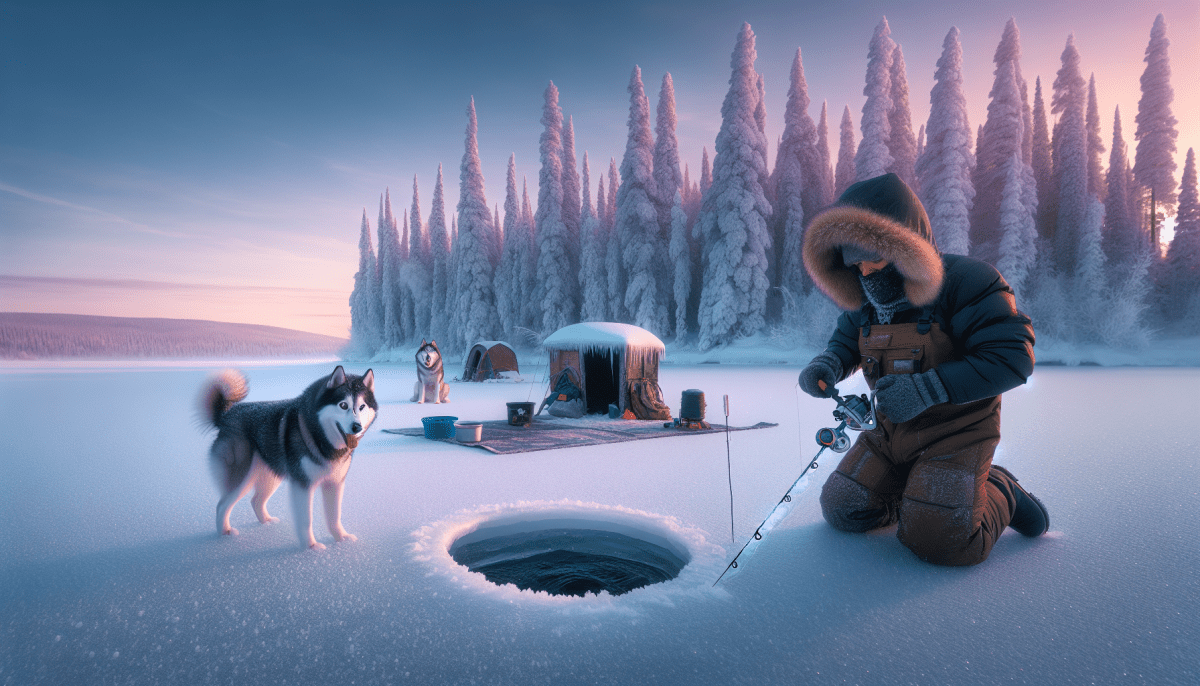
When you head out on the ice, having the right gear can make or break your experience. Ice fishing isn’t just about dropping a line; it’s about comfort, safety, and landing that big catch. Let’s dive into what you need to grab before heading out.
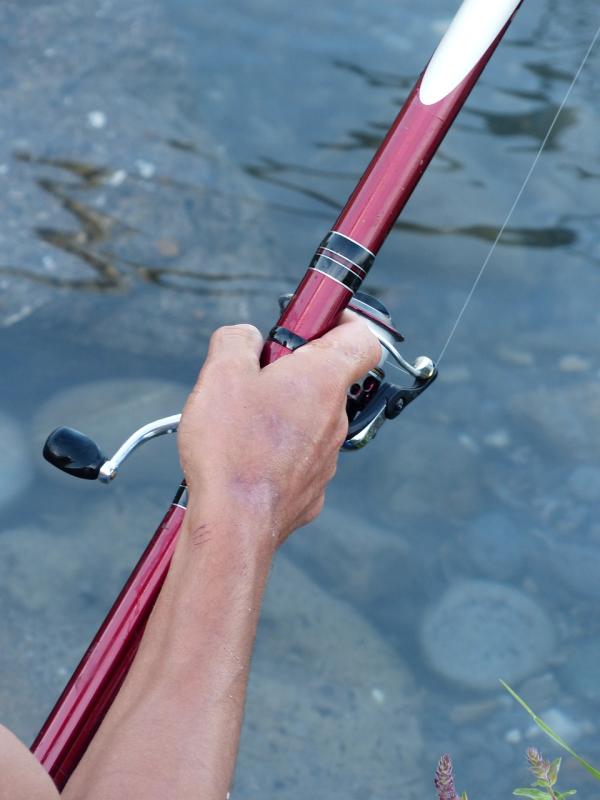
First up is your ice fishing rod and reel. Choose one that gives you good sensitivity for feeling those bites. Look for shorter rods around 24 to 36 inches; these are easier to maneuver in small spaces. Pair it with a reel that’s smooth and reliable. You’ll appreciate it when you’re fighting a fish!
Next, consider your clothing. Layering is key. A good base layer wicks moisture, while an insulating mid-layer keeps the warmth in. Top it off with a waterproof and windproof outer layer. Don’t forget about your extremities! A warm hat, insulated gloves, and a good pair of boots are non-negotiable.
Lastly, tackle is essential. Bring along a variety of jigs and lures that work for the fish in your area. You might want some bait too. A good tackle box will keep everything organized. It’s like a little treasure chest waiting to make your day on the ice more successful!
Finding the Best Fishing Holes
First, consider the time of year. Fish tend to gather near structures like rocks or fallen trees, especially during the early ice season. Early morning and late afternoon are usually the best times to find fish, so plan your trips accordingly.
Another great option is to talk to local anglers. They often know the lakes and their hidden treasures. Ice fishing forums or social media groups for your area can provide insight, too. Don’t be shy about asking for advice. Most anglers love to share their favorite spots.
If you're up for a little adventure, try using a fish finder. These gadgets show you what's below the surface and can help you identify schools of fish. Once you find a good spot, be sure to mark it for future trips.
Finally, keep an eye on the weather. Changes in temperature or wind can affect fish behavior, so being adaptable is key. If one hole isn’t producing, don’t hesitate to move around until you find where the action is.
Essential Tips for Ice Safety
Ice fishing can be a blast, but safety comes first. Here are some essential tips to keep you safe while you're out there on the ice.
First off, always check the ice thickness. You want at least 4 inches of solid ice for walking. If you're planning on using a sled or bringing gear, aim for at least 6 inches. Bring a measuring tool to avoid guessing. It's better to be safe than sorry!
Next, dress in layers. Ice fishing can get chilly, but you don’t want to overheat while jigging. Start with a moisture-wicking base layer, add a warm mid-layer, and finish with a waterproof outer layer. Don't forget about insulated boots, gloves, and a hat to keep the heat in!
Always let someone know your plans. Share your location and expected return time with a friend or family member. If something happens, it's crucial that someone knows where to find you.
Lastly, bring safety gear. A set of ice picks, a throw rope, and a float suit can make a huge difference if you fall through. And don’t forget a first aid kit. It’s always smart to be prepared for anything!
Techniques to Hook More Fish
Hooking more fish while ice fishing is all about technique and a little know-how. First, make sure your gear is up to snuff. A good rod and a sensitive tip-up can make a world of difference. You want to feel those subtle bites, especially when fish are being finicky.
Next, pay attention to your bait. Live bait like minnows or wax worms can be a game changer. Try tipping your jigs with some bait to make them more enticing. Fish are often attracted to movement, so jigging your lure with a steady rhythm can help. Experiment with different jigging speeds to find out what gets the fish biting.
Location is key too! Before you drop that line, think about where you’re fishing. Look for holes with structure—like old trees, rocks, or drop-offs. These spots usually attract fish. Have a plan B for when the fish go quiet. Moving to a new spot or changing depths can bring new opportunities.
Lastly, don’t forget to stay quiet and keep your movements slow. Ice can amplify sound, so sudden movements might scare the fish away. Take a moment to settle, and then start your fishing without causing too much ruckus. With these techniques, you’ll be well on your way to a successful day on the ice!